
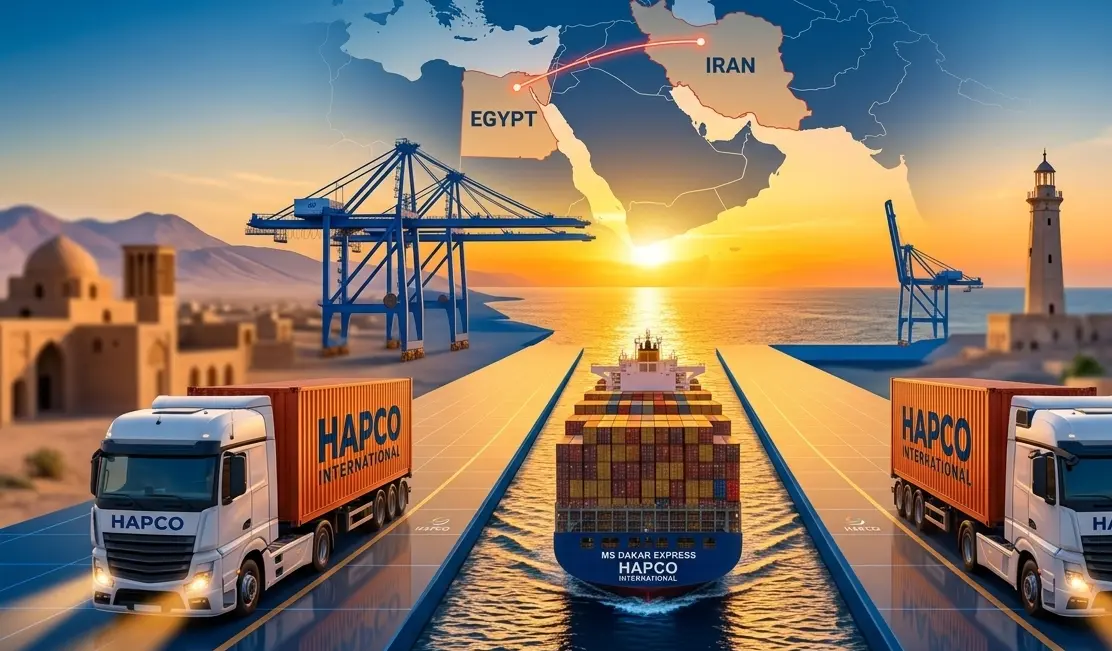
How to Ship Goods From Iran to Africa: The Complete Process
If you’re wondering how to ship from Iran to Africa for the first time, the process has a clear structure — but it depends on decisions made early (shipping mode, documentation, routing) that are hard to correct once cargo is moving. Here’s the complete process HAPCO follows for every shipment.
Step 1 — Choose Your Shipping Mode: Sea or Air
FCL sea freight is the default choice for full container volumes — HAPCO ships FCL only, in 20ft or 40ft HQ containers, which keeps your cargo isolated in its own container rather than consolidated with other shippers’ goods.
Air freight suits urgent or high-value shipments. It routes via our Georgia/Turkey hub connections and typically reaches Africa door-to-door in around 7 days — far faster than sea freight, at a different cost structure.
Step 2 — Prepare Export Documentation
Every shipment needs a commercial invoice, packing list, and bill of lading, along with any export licenses required for the specific cargo category. One point worth flagging early if you’re exporting goods to Africa from Iran: Iran introduced a full export ban on agricultural and food products in spring 2026, and since late April the government has been phasing exemptions back in — several categories (including honey, fish, olives, dates, figs, oranges, garlic, poultry meat and eggs, raisins, and green tea) are now cleared for export, some under regulated quotas. Categories not explicitly exempted remain banned, so it’s worth confirming your specific product’s current status before booking.
Step 3 — Inland Transport to the Departure Port
Cargo is moved by road or rail from origin to the departure point in Turkey or Georgia. This inland leg is coordinated as part of the overall shipment rather than left to the shipper to arrange separately.
Step 4 — Transit via Mersin or Poti
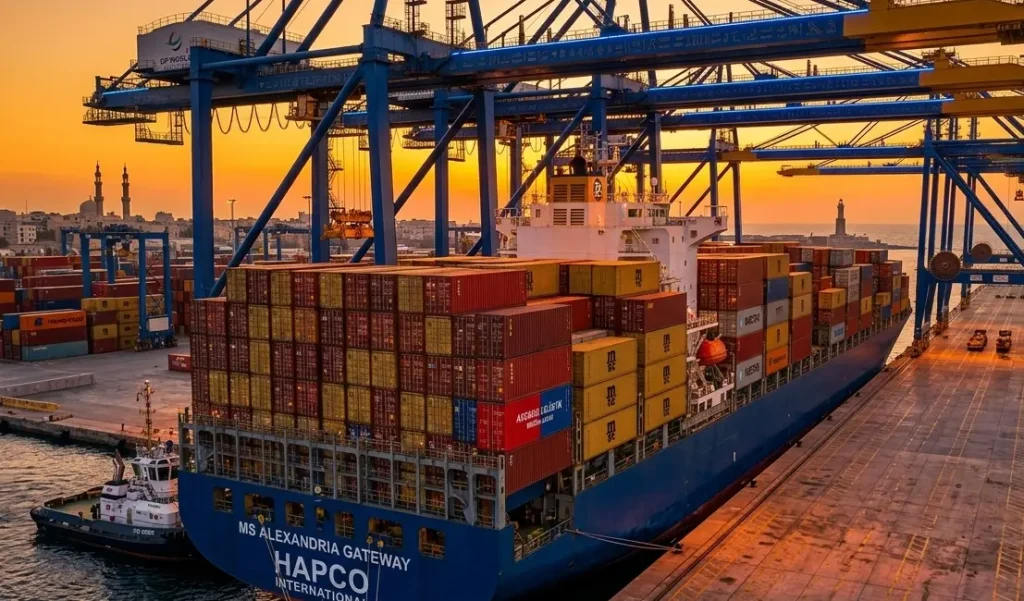
All sea freight departs via Mersin (Turkey) or Poti (Georgia) — the two routes HAPCO uses since Bandar Abbas and Jebel Ali became unavailable in February 2026. Transit time depends heavily on the destination port:
| Destination | Via Mersin | Via Poti |
|---|---|---|
| Dakar | 40–45 days | 45–50 days |
| Mombasa | 35–45 days | 45–55 days |
| Durban | 30–40 days | 50–60 days |
| Lekki | 40–50 days | 50–60 days |
For a detailed look at how routing, cargo type, and cost interact, see our guide on routes, cargo types, and costs from Iran to Africa.
Departure terminal operations for the Georgia route are handled through APM Terminals Poti, Georgia’s largest container port.
Step 5 — Customs Clearance at Destination
Import customs procedures vary by country, which is where a dedicated forwarder’s local knowledge matters most — incorrect documentation at this stage is the most common cause of delay on the Iran–Africa lane.

Cargo-Specific Shipping Guides
The exact process can shift slightly depending on what you’re shipping — see our dedicated guides for textile trade, steel and metal products, pharmaceutical and medical equipment, and construction materials.
Get Help With Your Shipment
Send us your cargo details and we’ll walk you through the exact steps for your specific shipment.
📞 WhatsApp: +380 95 805 1995 · 📧 info@hapcointernational.com
Related: Freight Forwarder for Iran to Africa Shipping · Iran to Africa Shipping Rates — Get Your Quote
Hapco International
Get a freight quote
How is this shipment moving?
Select a transport mode to continue.
Where is it moving from and to?
Origin and destination of the cargo.
Tell us about the cargo
Details specific to your shipment.
Almost done
So our team knows who's asking.
You'll be redirected to WhatsApp with your request pre-filled.