
How Iran Became a Strategic Hub for Sea Freight in Asia Trade | Ports, Routes & Logistics Role
Iran has developed into an important strategic node in Asian maritime logistics due to its geographic position between the Persian Gulf, the Indian Ocean, Central Asia, and the Middle East trade corridors. Over the past decades, its port infrastructure and multimodal transport connections have made it a natural transit bridge between Asia, Europe, and Africa.
Today, Iran plays a significant role in regional sea freight flows, especially for containerized cargo moving between South Asia, Southeast Asia, and global markets.
HAPCO International operates across these routes, providing FCL ocean freight, inland transportation, and export logistics services from Iran to major Asian destinations.

Iran’s Geographic Advantage in Global Shipping
Iran sits at one of the most critical crossroads in global trade. It connects:
- The Persian Gulf shipping lanes
- The Strait of Hormuz (one of the world’s key maritime chokepoints)
- The Gulf of Oman and access to the Indian Ocean
- Overland corridors to Central Asia and the Caucasus
This positioning allows Iran to serve as both:
- A gateway for exports from the Middle East
- A transit corridor for goods moving between Asia and Eurasia
The country’s location reduces dependency on longer maritime routes by offering alternative multimodal pathways combining sea, road, and rail transport.
Key Iranian Ports Supporting Sea Freight Growth
Iran’s maritime system is built around a small number of strategically important ports that handle the majority of container traffic.
Bandar Abbas (Shahid Rajaee Port Complex)
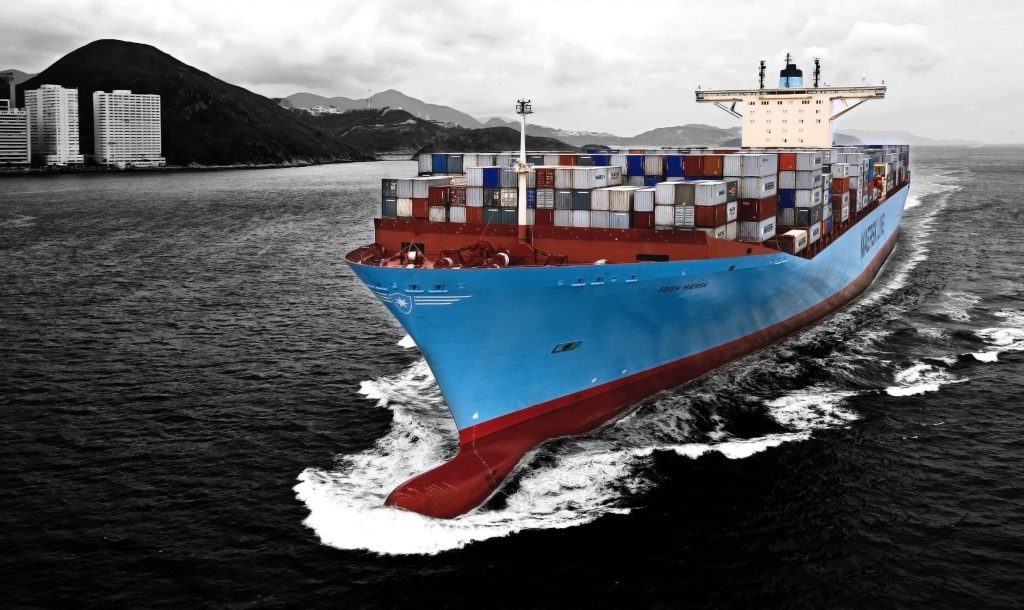
Bandar Abbas is Iran’s primary container gateway and handles the majority of international cargo movements. It connects Iran’s industrial centers with global shipping lines and serves as the main export and import hub for containerized trade.
Its proximity to the Strait of Hormuz makes it a vital point for East–West shipping routes.
Chabahar Port
Chabahar is Iran’s only oceanic port located outside the Strait of Hormuz on the Gulf of Oman. It provides direct access to the Indian Ocean and serves as a strategic alternative route for regional trade.
Chabahar is particularly important for trade corridors linking Iran with South Asia and Central Asia, offering a more flexible routing option for certain cargo flows.
Iran as a Transit Hub for Asia Trade
Iran is increasingly used as a transit and consolidation point in regional logistics networks.
Key advantages include:
- Connection between Asia and Europe via multimodal corridors
- Access to Central Asian landlocked markets
- Sea routes linking India, China, and Southeast Asia
- Integration with road and rail transport inside Iran
This makes Iran not only an origin and destination country, but also a regional logistics bridge.
Major Sea Freight Routes Passing Through Iran
Iran’s export and transit cargo typically moves through established maritime corridors such as:
- Iran → UAE → Southeast Asia
- Iran → India (direct and regional feeder services)
- Iran → China (via transshipment hubs)
- Iran → Malaysia, Thailand, Vietnam (multi-stop routing)
Most shipments use transshipment hubs in the Middle East and Southeast Asia before reaching final destinations.
Transit Time Overview
Sea freight transit times from Iran vary depending on routing and carrier schedules:
- Short regional routes: 7–20 days
- Asia-bound routes: 15–40 days
- Long-haul or multi-transshipment routes: 30–45+ days
The final delivery time depends heavily on port congestion, vessel availability, and transshipment coordination.
Why Iran’s Role in Sea Freight Is Growing
Several structural factors are increasing Iran’s importance in Asian logistics:
Strategic Location
Iran bridges major global trade regions, making it naturally suitable as a logistics connector.
Expanding Port Infrastructure
Ongoing development of Bandar Abbas and Chabahar strengthens container handling capacity and regional connectivity.
Multimodal Transport Network
Road and rail systems allow cargo to move efficiently between inland industrial zones and seaports.
Regional Trade Demand
Growing trade between the Middle East, South Asia, and Southeast Asia increases the need for intermediate logistics hubs.

Challenges in Iran’s Maritime Logistics
Despite its advantages, several operational challenges exist:
- Dependence on transshipment hubs for long-distance routes
- Port congestion during peak trade seasons
- Documentation complexity in international shipping
- Vessel scheduling limitations in some corridors
These factors require careful logistics planning and strong coordination between freight forwarders and shipping lines.
Role of HAPCO International
HAPCO International supports international trade through:
- Full Container Load (FCL) ocean freight
- Inland transportation across Iran
- Export customs clearance
- Project cargo handling
- Multimodal logistics coordination
- End-to-end supply chain management
The focus is on improving reliability, reducing delays, and optimizing routing efficiency for global trade lanes.
Conclusion
Iran’s strategic position, combined with its port infrastructure and expanding logistics network, has made it an important hub in Asia’s sea freight ecosystem. While it is not a traditional global transshipment hub, its role as a connector between major trade regions continues to grow.
With increasing trade between Asia and the Middle East, Iran is expected to remain a key node in regional maritime logistics for years to come.