
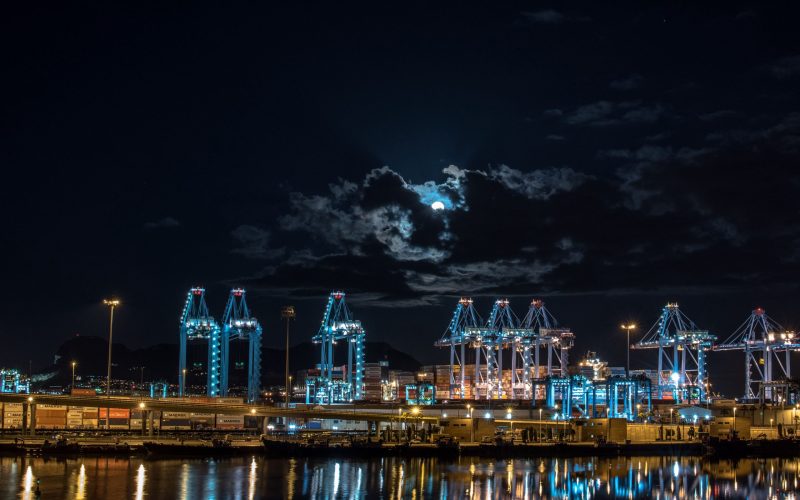
Urea Fertilizer Shipping from Iran: Bulk Cargo Logistics Strategy and Global Export Routes
Urea Fertilizer Shipping from Iran in Global Agriculture Supply Chains
Urea fertilizer shipping from Iran plays an important role in the global agricultural supply chain. This is one of the most widely used nitrogen fertilizers, supporting crop production in both developed and emerging agricultural economies.

Iran has developed a strong position in global fertilizer markets due to abundant natural gas resources and large petrochemical complexes producing ammonia and urea. Export volumes are estimated at around 5–5.5 million tons annually, representing close to 10% of global urea exports.
These figures are broadly consistent with data published by the International Fertilizer Association, which tracks global urea trade volumes and market trends.
For international buyers and agricultural distributors, efficient logistics planning is critical. Bulk cargo handling, port infrastructure, and optimized maritime routes ensure reliable fertilizer supply to global markets.
Global Market Overview for Urea Fertilizer Export from Iran
Importance of Urea in Global Agriculture
Urea is a high-nitrogen fertilizer widely used in:
- grain production
- rice cultivation
- vegetable farming
- industrial agriculture
Its high nitrogen content makes it one of the most cost-efficient fertilizers for increasing crop yields.
Global demand remains strong because food production continues to expand alongside population growth.
Iran’s Strategic Position in the Urea Market
Iran benefits from gas-based fertilizer production, which provides a cost advantage compared with coal-based production in other countries.
Key export markets for Iranian urea include:
- India
- Brazil
- Turkey
- African agricultural markets
These destinations rely on imported fertilizer to support agricultural production.
HAPCO is one of the most famous freight forwarders in Iran.
Major Export Ports for Urea Fertilizer Shipping from Iran
Primary Fertilizer Export Ports
Most urea shipments leave Iran through major ports along the Persian Gulf:

- Bandar Imam Khomeini Port
- Bandar Abbas Port
- Bushehr Port
These ports are connected to large fertilizer and petrochemical complexes and support bulk cargo handling infrastructure.
Berth allocation, terminal facilities, and vessel scheduling for these ports are published by Iran’s Ports and Maritime Organization (PMO), the national port authority.
While much of the world’s Gulf-sourced urea supply is currently disrupted by the Strait of Hormuz closure, HAPCO’s shipping routes are unaffected — cargo is trucked from Iran overland to Mersin, Turkey or Poti, Georgia, then moves by sea without ever transiting the Strait. For buyers in India, Brazil, and other major urea markets currently facing supply uncertainty, this route offers a stable alternative at a time when Gulf-routed cargo faces real delays and cost increases.
In practice, this means Hapco’s urea and bulk fertilizer network runs on three key nodes: Bandar Abbas as the primary Iranian loading port, and Mersin and Poti as the onward transshipment hubs for Europe, the Mediterranean, and the Black Sea/CIS region — giving exporters a working alternative routing even when Gulf transit is constrained.
Integration with Petrochemical Production Zones
Many urea plants are located near coastal export terminals, allowing efficient transfer from production facilities to shipping terminals.
Major producers include large petrochemical companies operating ammonia and fertilizer plants across Iran.
Bulk Cargo Transport Strategy for Urea Fertilizer
Bulk Vessel Transport
Large urea shipments are typically transported in bulk cargo vessels. This method is ideal for high-volume agricultural trade shipments.
Advantages include:
- lower transport cost per ton
- faster loading for large cargo volumes
- efficient distribution to agricultural import terminals
Bagged Cargo for Regional Distribution
In some markets, urea is transported in large industrial bags for easier distribution to local agricultural networks and fertilizer warehouses.
This method is commonly used when cargo needs to be delivered to multiple inland markets after arrival.
Global Shipping Routes for Urea Fertilizer from Iran
Primary Maritime Trade Routes
Urea fertilizer from Iran typically travels along the following shipping corridors:

- Persian Gulf → South Asia
- Persian Gulf → Southeast Asia
- Persian Gulf → East Africa
- Persian Gulf → West Africa
- Persian Gulf → Mediterranean via the Suez Canal
These routes connect Iranian producers with major fertilizer-importing agricultural economies.
| Destination region | Typical routing | Typical transit time |
|---|---|---|
| South Asia (India, Bangladesh) | Direct from Bandar Abbas | 16–20 days |
| Southeast Asia | Direct from Bandar Abbas | 22–28 days |
| East Africa | Direct from Bandar Abbas | 15–24 days |
| West Africa | Direct or via Mersin | 25–34 days |
| Europe / Mediterranean | Via Mersin | 18–28 days |
| Black Sea, CIS, Eastern Europe | Via Poti | 24–30 days |
These are voyage estimates only — actual transit time depends on vessel availability, port congestion, and the transshipment schedule at Mersin or Poti.
Strategic Role of the Persian Gulf Shipping Corridor
The Persian Gulf remains one of the most important maritime corridors for global fertilizer and energy trade.
Efficient port operations and vessel scheduling are essential for maintaining consistent fertilizer supply during peak agricultural seasons.
Packaging and Handling Standards for Urea Fertilizer Cargo
Bulk Handling Requirements
Urea fertilizer must be protected from moisture exposure during transport.
Typical handling procedures include:
- sealed cargo holds
- controlled loading operations
- covered storage facilities at ports
Carriage of urea as a solid bulk cargo is governed internationally by the IMSBC Code, maintained by the International Maritime Organization (IMO).
Bagged Cargo Handling
For bagged shipments, fertilizer is packed in durable industrial bags that prevent contamination and allow easier transport to inland agricultural regions.
Proper packaging ensures cargo quality is preserved throughout the transport process.
Compliance and Documentation in Fertilizer Export Logistics
Export Documentation Requirements
International fertilizer shipments require proper export documentation, including:
- commercial invoice
- packing list
- certificate of origin
- quality and product specifications
These documents ensure compliance with international agricultural trade regulations.
International Trade Standards
Global fertilizer trade is monitored by organizations such as the United Nations Conference on Trade and Development, which tracks global commodity flows and maritime transport patterns.
Risk Management in Urea Fertilizer Logistics
Operational Risks
Fertilizer logistics can face several operational challenges:
- seasonal demand fluctuations
- port congestion
- vessel availability
- regulatory compliance requirements
Mitigation Strategies
Professional logistics management helps reduce risks through:
- flexible routing strategies
- coordinated port scheduling
- secure cargo handling procedures
- long-term partnerships with shipping providers
Supply Chain Strategy for Urea Fertilizer Export from Iran
Efficient supply chains are critical in fertilizer trade because agricultural markets depend on timely seasonal deliveries.
Strategic supply chain management includes:
- coordination between fertilizer producers and shipping providers
- optimized port loading operations
- stable maritime route planning
Iran’s strong fertilizer production capacity and geographic location support reliable supply to agricultural markets across Asia, Africa, and Latin America.
For a broader overview of petrochemical logistics, see the Hapco article:
👉 https://hapcointernational.com/petrochemical-cargo-shipping-from-iran-global-routes-and-logistics-strategy/
Urea Fertilizer Shipping from Iran: Logistics Solutions with Hapco

Hapco International provides professional logistics services for urea fertilizer shipping from Iran, supporting exporters with cargo planning, port coordination, and reliable maritime transport solutions.
Exporters benefit from optimized logistics routes, secure cargo handling, and efficient supply chain management for international fertilizer trade.
Need a reliable routing for your next urea or bulk fertilizer shipment — whether direct from Bandar Abbas or via Mersin/Poti to bypass Gulf disruptions? Get a freight quote from Hapco’s team today and lock in vessel space before your next shipping window
👉 Contact Us: https://hapcointernational.com/contact/
📱 WhatsApp: +380 95 805 1995
📧 Email: Info@hapcointernational.com
📞 Phone: +374 98 347433 (Armenia) | +98 21 8897 63 (Iran)
Hapco International
Get a freight quote
How is this shipment moving?
Select a transport mode to continue.
Where is it moving from and to?
Origin and destination of the cargo.
Tell us about the cargo
Details specific to your shipment.
Almost done
So our team knows who's asking.
You'll be redirected to WhatsApp with your request pre-filled.