
Iran-Russia Trade Growth 2026: What Exporters Need to Know
Trade between Iran and Russia has kept growing even through a difficult stretch for the region — and the numbers explain why more Iranian exporters are looking seriously at this market.
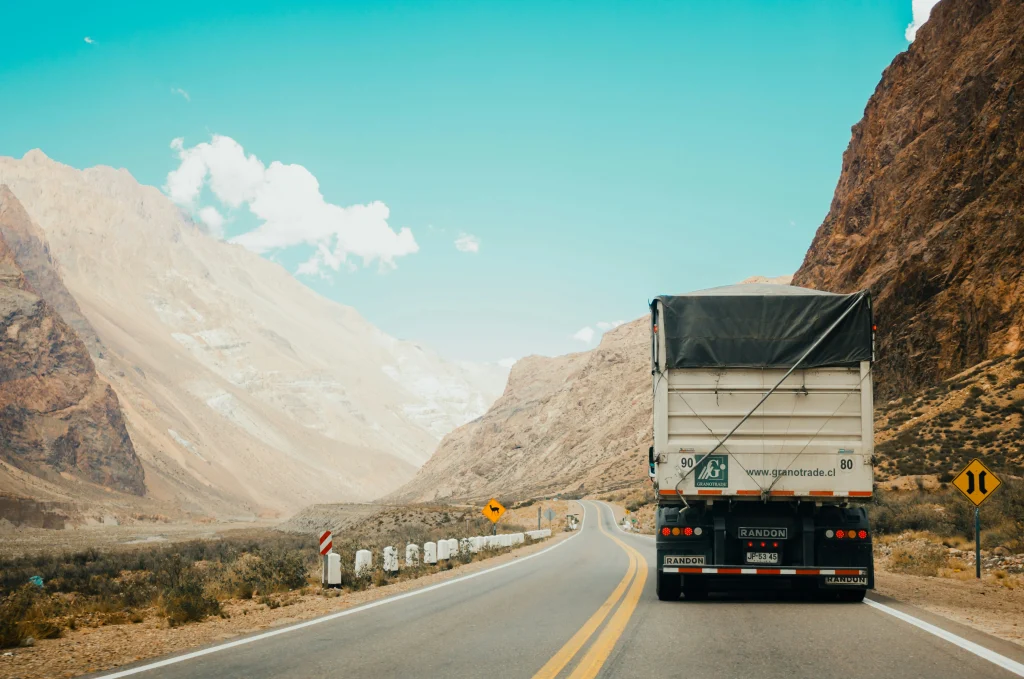
The Free Trade Agreement Changed the Math
In May 2025, the free trade agreement between Iran and the Eurasian Economic Union (EAEU) — which groups Russia, Belarus, Kazakhstan, Kyrgyzstan, and Armenia — came into full effect, cutting tariffs on roughly 87% of traded goods. The impact showed up almost immediately: trade between Iran and EAEU members grew by around 20% in the following year, reaching approximately $7.3 billion. Russia remains by far Iran’s largest trading partner within that bloc.
Even in the first months of 2026, despite regional logistics disruptions, bilateral trade between Iran and Russia still posted growth, and cargo volume along the North-South Transport Corridor rose sharply — exports from Russia to Iran alone increased by more than 50% in the first four months of the year, with total cargo along the route up by roughly 87%.
Which Sectors Are Growing Fastest
Iran’s exports to Russia break down roughly as follows:
- Agricultural products — around 45% of exports, led by fruit, nuts, and other food products
- Industrial goods — around 37%, a share that has grown significantly over the past few years
- Petrochemical and polymer products — roughly 10%
- Minerals — around 7-8%
Steel and petrochemicals in particular have been identified by Iranian trade officials as priority sectors under the EAEU agreement, expected to account for about half of the trade growth targeted under the deal.
On the import side, Iran brings in mostly grains and oilseeds from Russia — over 70% of import volume — along with production-line machinery.
What This Means If You’re Exporting to Russia
- Tariff advantages are real and current — if your product falls under the EAEU agreement’s reduced-tariff categories, this is a genuinely better time to enter or expand in the Russian market than it was two years ago.
- Industrial and petrochemical exporters have room to grow — these categories are seeing the fastest growth and are a policy priority on both sides, meaning fewer bureaucratic obstacles and more established trade infrastructure.
- Route reliability is improving alongside trade volume — the sharp rise in North-South Corridor rail cargo reflects real investment in rail and multimodal capacity between the two countries, which should mean more predictable transit times going forward.
- This is a good moment to formalize a logistics partner — as volumes grow, having an established freight forwarder who already understands EAEU documentation and Iran-Russia customs procedures becomes a real competitive advantage over improvising route-by-route.
A Real Example: Getting Goods to Market Fast
Growth statistics only matter if the logistics behind them actually work. In one recent case, HAPCO delivered 20 trucks of Iranian granite from Yazd to St. Petersburg in 13 days, fully customs-cleared — a concrete example of what’s achievable on this route with the right documentation and route planning in place from the start.
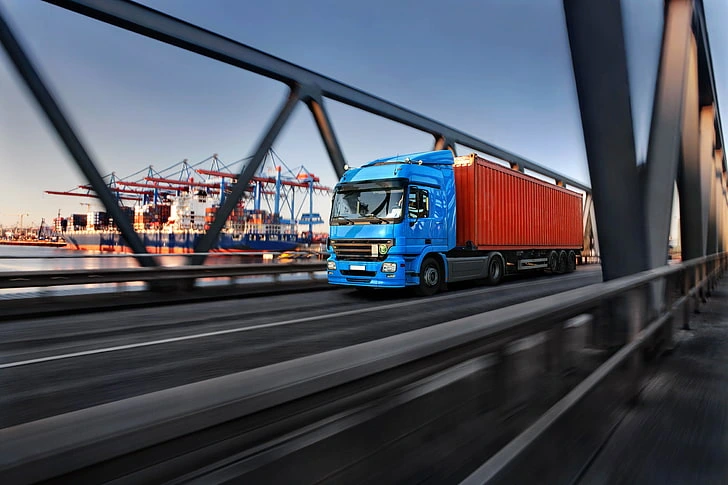
HAPCO is one of the most famous freight forwarders in Iran.
Get Route and Documentation Guidance
HAPCO works daily with exporters navigating the EAEU free trade agreement and Iran-Russia logistics. If you’re planning to enter or expand in the Russian market, our team can walk you through current tariff categories, documentation requirements, and route options for your specific product.
Hapco International
Get a freight quote
How is this shipment moving?
Select a transport mode to continue.
Where is it moving from and to?
Origin and destination of the cargo.
Tell us about the cargo
Details specific to your shipment.
Almost done
So our team knows who's asking.
You'll be redirected to WhatsApp with your request pre-filled.