
Unlock Warehouse Excellence: Autonomous Mobile Robots (AMR) Transforming Logistics
In today’s fast-paced logistics world, standing still means falling behind. The integration of Autonomous Mobile Robots (AMR) is no longer a futuristic idea — it’s a strategic imperative for warehouses seeking efficiency, flexibility, and safety.
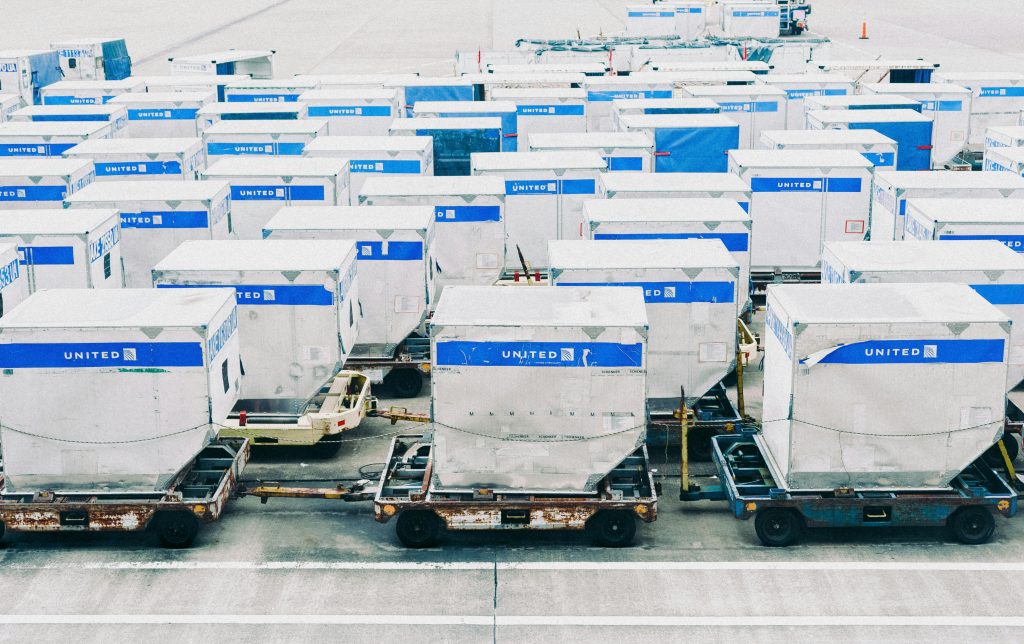
AMR warehouses — Why They’re a Game-Changer
According to a robotics expert in TechRadarPro, businesses should take five crucial steps toward AMR adoption to overcome labor shortages, speed up order processing, and build resilient supply chains . Now let’s unpack why AMR-driven warehouses are truly transforming operations:
- Dramatically boost efficiency and throughput
AMRs optimize operations with their “goods-to-person” model, slashing wasted walking time. Reports indicate productivity gains of 200–300%, while AMRs operate continuously, 24/7 . - Enhance safety and reduce costs
By delegating heavy lifting and repetitive tasks to robots, workplace injuries drop significantly. Powered by advanced sensors and AI, AMRs navigate warehouse floors safely, outperforming manual carts and forklifts in collision avoidance . - Scale operations flexibly and smartly
The true power of AMR warehouses lies in their scalability. New robots can be deployed during peak seasons without overhauling infrastructure, offering a modular, demand-driven approach . - Integrate seamlessly with your tech ecosystem
AMRs align smoothly with Warehouse Management Systems (WMS), ERP platforms, and advanced logistics software. Cargo movement becomes transparent, data-rich, and precise .
Challenges to Tackle for True AMR Success
Even the most promising technologies require smart integration:
- Initial investment & ROI considerations
While setup costs are noticeable, options like Robotics-as-a-Service (RaaS) reduce CAPEX burden. Long-term savings stem from enhanced efficiency, reduced labor costs, and fewer errors . - Infrastructure readiness
Older warehouses may need layout adjustments, improved Wi-Fi, and precise mapping for smooth AMR navigation . - Workforce adaptation and cybersecurity
Staff must be trained to manage AMRs, troubleshoot issues, and collaborate effectively with robots. Moreover, as AMRs exchange data, robust cybersecurity measures are essential .
AMR warehouses — Real Success, Real Numbers
At Amazon alone, over 750,000 AMR drive units are active across fulfillment centers, underpinning unprecedented speed and scale . DHL, partnering with Locus Robotics, recently logged 500 million items picked, with the last 100 million processed in just 154 days — a testament to AMR power .
Your Call to Action
The era of AMR warehouses is here — and it’s reshaping the future of logistics. It’s time to future-proof your operations with intelligent automation, enhanced safety, and unparalleled efficiency.
Ready to lead the transformation?
Contact us today to discover how AMRs can elevate your warehouse — from pilot integration to full-scale deployment. Let us help you unlock the smart warehouse of tomorrow.