
Shipping Personal Items from Iran to Australia: Safe and Reliable Methods
Shipping personal items from Iran to Australia involves more than simply booking a carrier. Australia applies strict biosecurity standards and customs controls to protect its borders, meaning that proper preparation, documentation, and routing are essential to ensure your personal effects arrive safely and reliably.

Hapco approaches each shipment as a tailored logistics project, aligning packaging, documentation, and sea freight planning to minimize risk and delays throughout the journey.
Choosing the Right Sea Freight Method
For most personal items, sea freight is the most cost-effective and predictable option when shipping from Iran to Australia. While air freight is faster, it is significantly more expensive and generally used only for urgent items or small, high-value cargo.
Sea freight allows for containerized shipments that keep your belongings together and protected throughout the long transit. Containers can be loaded at ports such as Bandar Abbas or Chabahar and routed through strategic transit hubs before arriving in Australia.
Packing and Cargo Preparation
Proper packaging is a foundation of safe and reliable shipping. Personal items must be packed to withstand humidity, temperature variation, and handling during transit. Inadequate packaging increases the risk of damage, disputes with insurance providers, or inspection holds.

Labels should be clear and complete, and inventory lists must reflect every item accurately. This not only aids customs clearance but also improves handling efficiency at transit points. If applicable in your route planning, Hapco’s cargo preparation procedures ensure that each shipment meets international packaging standards and Australian biosecurity expectations.
Documentation You Must Prepare
Accurate documentation is key to avoiding delays and ensuring your shipment clears customs without issues. Typical documentation includes:
- Detailed packing list of personal items
- Bill of lading reflecting container and cargo details
- Proof of ownership and personal use declarations
Authorities in Australia may also require additional forms for biosecurity screening. Comprehensive documentation guidance is outlined in Hapco’s export logistics resources to help clients prepare ahead of departure.
Managing Customs and Biosecurity
Australia’s Department of Agriculture, Fisheries and Forestry sets strict biosecurity import requirements that directly affect how authorities clear personal items at Australian ports. Quarantine officers often inspect personal effects, especially when shipments include items that may pose contamination risks.

Practical risks related to inspections, documentation mismatches, and preparation errors are explained in Common Mistakes When Shipping from Iran to Australia and How to Avoid Them, where real logistics scenarios show how delays usually start before cargo even arrives.
https://hapcointernational.com/common-mistakes-when-shipping-from-iran-to-australia-and-how-to-avoid-them/
Companies planning shipments to Australia can also review official biosecurity guidance published by the Australian Government, which outlines inspection triggers and cleanliness standards applied to incoming personal effects.
https://www.agriculture.gov.au/biosecurity-trade/import/goods/personal-effects
Shipments with clear documentation and proper packaging tend to pass inspection with minimal intervention. A reliable logistics partner like Hapco proactively facilitates communication with customs and biosecurity officials to avoid unnecessary delays.
Transit Time Expectations
Sea freight from Iran to Australia typically takes several weeks, depending on routing and transit hub connections. Many shipments move via intermediate ports where cross-stuffing onto a new vessel may be required before final delivery to Australia.
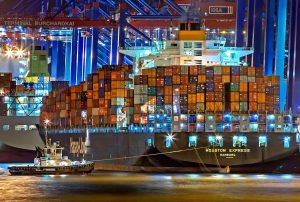
Preparing your shipment early and choosing the right transit window reduces the likelihood of unexpected delays and ensures a smoother schedule for delivery.
Real-World Example | Safe Personal Items Shipping with Hapco
One Hapco client in Tehran needed to relocate a household’s personal items to Sydney. The cargo included furniture, clothing, and fragile personal effects. Hapco’s logistics team designed a sea freight plan that optimized container loading, secured moisture protection, and aligned documentation with Australian customs and biosecurity standards.
The shipment passed transit hubs with no inspection delays and cleared Australian ports efficiently. This safe and reliable method saved the client time and reduced uncertainty commonly associated with long-distance sea freight.