
Cross-Stuffing vs Direct Sea Freight from Iran to Australia: What Really Works
Understanding Two Sea Freight Strategies for Australia-Bound Cargo
When shipping goods from Iran to Australia by sea, exporters usually choose between two logistics strategies: direct container shipping or cross-stuffing through a regional hub. Both methods operate within maritime transport, but the difference lies in flexibility, risk control, and cost optimization.

Direct sea freight means loading cargo into a container at the Iranian port. It ships to Australia with minimal handling. Cross-stuffing, by contrast, reloads cargo at a strategic transit hub—most commonly Jebel Ali or Southeast Asian ports—before continuing the journey to Australia.
Hapco evaluates both options based on cargo type, documentation complexity, and Australian compliance risks rather than using a one-size-fits-all approach.
When Direct Sea Freight from Iran to Australia Makes Sense
Direct shipping works best for standardized cargo with stable documentation and low inspection risk. Industrial goods, raw materials, or bulk commercial shipments often move efficiently without intermediate handling.
However, direct routes from Iran to Australia usually involve longer transit times and fewer carrier options. As explained in Sea Freight from Iran to Australia: Ports, Routes and Real Logistics Risks, limited sailings and seasonal congestion can expose direct shipments to delays that are difficult to correct once the container is sealed.
Direct shipping also leaves little room to correct packaging or labeling issues discovered after departure—an important factor given Australia’s strict import controls.
Why Cross-Stuffing Often Performs Better for Australia-Bound Cargo
Cross-stuffing offers a higher level of control over shipments headed to Australia. By reloading cargo at a transit hub, Hapco can align packaging, labeling, and documentation with Australian customs and biosecurity requirements before the final ocean leg.
This approach directly supports compliance strategies described in Packaging & Cargo Preparation for Shipping from Iran to Australia, where proper preparation at the right stage significantly reduces inspection risks.
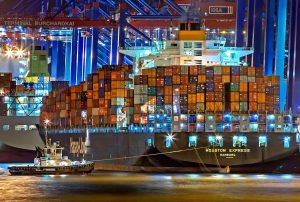
Cross-stuffing also allows cargo consolidation planning to adapt to sailing schedules, port congestion, and weather-related disruptions. According to guidance published by the International Maritime Organization, cargo handling at approved transshipment hubs improves route resilience and operational flexibility for long-haul sea freight.
Real-World Example | Successful Story HAPCO
A manufacturer exporting construction materials from Iran to Australia initially used direct sea freight. The shipment faced extended holding at an Australian port due to labeling inconsistencies and moisture protection concerns.
Hapco redesigned the logistics plan using cross-stuffing via Jebel Ali. The cargo was reloaded into export-ready containers, documentation was aligned with Australian standards, and packaging was reinforced before the final sea leg.
Result:
• clearance time reduced by 40%
• inspection risk minimized
• predictable delivery schedule restored
This case HAPCO shows how cross-stuffing transforms logistics from reactive problem-solving into controlled planning.
Cost and Risk Comparison: What Importers Should Know
While direct sea freight may appear cheaper at first glance, hidden costs often arise from delays, inspections, and corrective handling at destination ports. Cross-stuffing introduces an additional handling stage, but it reduces downstream risks that frequently lead to higher total logistics costs.

A detailed breakdown of pricing variables appears in Cost of Shipping from Iran to Australia: What Really Affects the Price, where route flexibility and preparation quality play a decisive role in final expenses.
Choosing the Right Strategy for Your Shipment and cross-stuffing from Iran to Australia
There is no universal answer to whether cross-stuffing or direct shipping is better. The correct choice depends on cargo sensitivity, compliance requirements, and risk tolerance. Hapco structures each shipment as a controlled maritime project, aligning sea routes, warehousing, and documentation before cargo enters Australian waters.
Companies planning exports can explore real-world trade flows through the Australian Border Force cargo import guidelines. These guidelines also explain key compliance requirements and show why preparation before arrival matters more than speed alone. Australian Border Force cargo import guidelines, which highlight why preparation before arrival matters more than speed alone.
Planning Sea Freight with Long-Term Efficiency in Mind
Cross-stuffing is not a workaround—it is a strategic tool for managing long-distance sea freight to one of the world’s most regulated import markets. When integrated correctly, it strengthens predictability, protects cargo integrity, and supports smoother customs outcomes in Australia.
To discuss sea freight planning, cross-stuffing strategies, and port routing for Australia-bound cargo, Hapco provides direct coordination through its logistics team.
More details are available via the contact page: https://hapcointernational.com/contact/
Whatsapp: +380 95 805 1995
Email: Info@hapcointernational.com
Phone: +374 98 347433 (Armenia), +98 21 8897 63 (Iran)